Messages from Students

- Imari Okamoto
- Inorganic Chemistry M1
When I was in the junior division of the College of Arts and Sciences, I had difficulty choosing which department to enter because I was not sure where I could work on environmental and energy issues. Through classes, briefings, and tours by many departments, I realized that I am interested in research to solve environmental problems, especially in chemistry. In addition, I was impressed by the words of professors, “Chemistry can contribute to world peace by solving the resource issues.” Furthermore, I thought that chemistry helps us understand various matters because the world consists of atoms and molecules, which is what chemistry covers. Even after I started thinking about studying chemistry, I was still wondering which department to choose, since there were many faculties and departments related to chemistry. I finally decided to go to the Department of Chemistry, School of Science, because I heard about many interesting studies in the classes for junior division students held by the professors in the Department of Chemistry. I also wished to study a wide range of chemistry.
In the senior division, there were not only classes such as inorganic and organic chemistry, but also geochemistry and information chemistry, and I realized how various fields are related to chemistry. Corresponding to the classes, the laboratories in the Department of Chemistry treat different topics, and talks about the research in classes further expanded my concept of chemistry. Moreover, the laboratory work for the third-year students was fulfilling, as I had heard in the junior division, and I deepened my understanding of what I had learned in classes while enjoying the experiments.
I am now in the inorganic chemistry laboratory and work on thermocells, which convert heat to electricity. I learned about the device and was inspired by it in the junior division classes by the Department of Chemistry.
I would appreciate it if you could consider joining the Department of Chemistry. It can be an attractive choice not only for those who are interested in chemistry but also for students still wondering, as I used to be.
(Posted on May 2026)

- Masaya Owa
- Natural Products Chemistry M1
During my first year at university, I learned that many Nobel laureates in chemistry had acquired the ability to construct various molecules precisely as intended during their student years. This realization left a strong impression on me and motivated me to pursue a department where I could cultivate such synthetic expertise. Moreover, I believed that if I were to dedicate myself to harnessing this ability, it would be most advantageous to learn from the ground up using English, the common language of modern science. For this reason, I chose to enroll in the Department of Chemistry in the Faculty of Science, where both foundational textbook knowledge and cutting-edge chemistry can be studied in English.
After entering the Department of Chemistry, I came to appreciate an additional strength beyond what I had initially envisioned, the abundance of high caliber “opportunities.” For instance, in the journal seminar series “Zasshikai”, leading researchers from around the world deliver lectures, offering invaluable insights into their scientific perspectives and visions for the future. These experiences are consistently stimulating and intellectually rewarding. In my third year, I also gained access to laboratory internship programs. The chance to experience, even briefly, the pursuit of the unknown, something that cannot be fully captured through textbook study or undergraduate laboratory courses, has been particularly valuable. Although I have not yet fully taken advantage of all that the department offers, I believe that the Global Science Course (GSC) most strongly embodies the department’s strengths. Since study-abroad opportunities for fourth-year undergraduate students are generally limited, conducting research at an overseas university for two months was an irreplaceable experience. Furthermore, my host professor mentioned that, despite receiving numerous inquiries daily from students seeking internships or postdoctoral positions, I was selected in part because I was affiliated with this department.
Even experiences that may initially seem unrelated to one’s future can later become major turning points. In a department like this, where a wealth of opportunities and cross-cultural experience are provided, I am confident that students can encounter experiences that will profoundly shape their lives.
(Posted on May 2026)
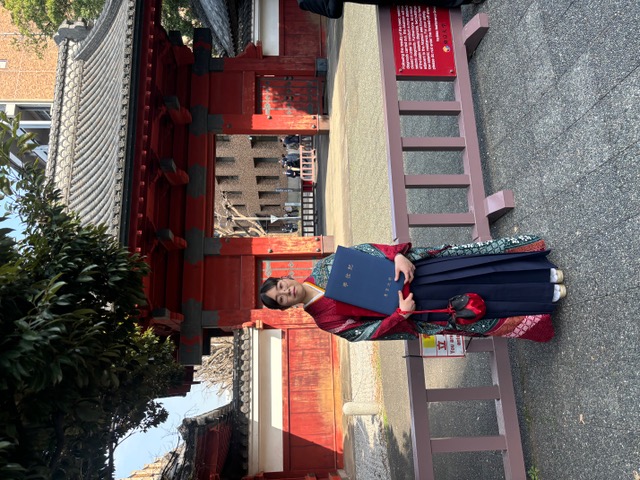
- Mikiko Anzo
- Physical Organic Chemistry M2
“If you want to do experiments, the chemistry department is the best place.” This single piece of advice determined my career path. Since childhood, I have loved using my hands to make things. However, throughout high school, I struggled to decide which field to pursue—or even whether I should choose a science-related path at all. As a result, I entered university without a clear direction.
Even after enrolling, I remained undecided. By the time I realized it, my second year had begun, and the deadline for choosing my department was fast approaching. During this period of uncertainty, I found myself thoroughly enjoying the required basic chemistry laboratory course. The instructors mentioned that if I chose a chemistry-related department, I would be able to conduct experiments almost daily from my third year onward, and that I would have access to a wider variety of experiments than those offered in the general curriculum at Komaba. Motivated by my growing passion for experimentation, I decided to pursue chemistry.
That said, there were several departments related to chemistry at my university, and I wasn’t sure which one offered the most hands-on experience. When I asked my instructors, they unanimously answered, “If you want to do experiments, go to the Department of Chemistry in the Faculty of Science.” Their advice confirmed my decision.
Since entering the Department of Chemistry in my third year, I have been able to engage in experiments almost every day, just as I had hoped. I am fortunate to be part of an environment where I can learn directly from world-renowned researchers and collaborate with highly motivated peers. Additionally, through the Global Science Course (GSC), I prepared for and took the TOEFL exam, and I had the invaluable opportunity to study abroad for a month, gaining first-hand insight into the global landscape of scientific research.
Looking back, I can confidently say that not only is the Department of Chemistry the best place for those who want to do experiments, it is also the ideal place for anyone who truly wants to learn chemistry.
(Posted on July 2025)
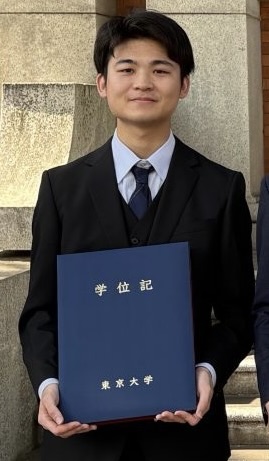
- Shogo Iwazaki
- Natural Products Chemistry M2
Since childhood, I have aspired to become a researcher involved in the treatment of diseases. Accordingly, at the time of entering university, I initially considered pursuing a degree in medicine or pharmaceutical sciences. However, after taking an organic chemistry course during my first year, I became increasingly interested in the field of chemistry, and began to view it as a viable academic path.
When it came time to choose a major in my second year, I ultimately decided to enter the Department of Chemistry within the Faculty of Science, for reasons I will outline below.
One of the most distinctive features of the Department of Chemistry is its English-based curriculum. The lectures are conducted by leading researchers in their respective fields, and the content spans from foundational topics to cutting-edge research. The classes are not only comprehensive and accessible, but also engaging—students even have the opportunity to participate in hands-on demonstrations, such as experiments on superconductivity. This made every lecture something to look forward to.
The curriculum is also structured to emphasize practical skills early on. In the third year, students attend lectures in the mornings and spend their afternoons conducting experiments, allowing them to develop essential laboratory techniques. As a result, students are well-prepared to begin advanced research immediately upon joining a laboratory in their fourth year.
Moreover, many laboratories accept third-year students as interns, giving students the chance to experience the atmosphere of a lab and gain insight into its research focus before making a final decision about which lab to join. This ensures that students can choose a lab that best aligns with their interests and goals.
Additionally, the GSC Outbound Program offers students the opportunity to study abroad for one month. With financial support provided for travel and living expenses, students can gain invaluable international experience without the burden of financial concerns. I personally participated in the program and studied at EPFL (École polytechnique fédérale de Lausanne) in Switzerland. This gave me the chance to engage with cutting-edge research in an environment very different from that of Japan.
Beyond academics and research, the department also fosters a vibrant community through extracurricular events such as softball and soccer tournaments. These activities promote interaction across different academic years and laboratories, allowing students to build strong friendships beyond their immediate circles.
I encourage not only those who are considering a career in chemistry, but also those who, like I once did, are contemplating paths in medicine or pharmaceutical sciences, to consider the Department of Chemistry in the Faculty of Science. I look forward to the day when we can conduct research together as fellow members of this exciting field.
(Posted on July 2025)

- Fumi Oki
- Natural Products Chemistry D1
I became interested in organic chemistry during the early stage of my undergraduate studies and decided to pursue a major in chemistry. When choosing my department, I also considered the Faculty of Engineering and the Faculty of Pharmaceutical Sciences. However, I ultimately chose the Department of Chemistry in the Faculty of Science because of its well-structured curriculum and the wide range of research areas it offers.
One of the distinctive features of the Department of Chemistry is that many courses are conducted in English. Since I was not very confident in my English skills, I initially felt some concern. However, with the kind support of the professors, I found that I could follow the lectures without difficulty. Now that I read scientific papers and give presentations in English in my laboratory work, I feel that these courses have provided me with a strong foundation.
The Department of Chemistry covers a broad range of fields, including organic, inorganic, physical, analytical, and biological chemistry, spanning from fundamental to applied research. In the third year, students learn both basic concepts and advanced topics from leading researchers in each field. Through this experience, I believe that students can discover and further develop their own interests. After joining a laboratory in the fourth year, students are able to engage in research in a well-prepared and supportive environment.
I chose a laboratory in natural products chemistry because I wanted to synthesize structurally complex organic molecules by myself. Currently, I am working on the design and synthesis of functional molecules inspired by natural products. Although the research process involves continuous trial and error, I find it very rewarding to create new molecules and explore their functions.
If you are interested in chemistry, I encourage you to consider the Department of Chemistry. I look forward to studying and conducting research together with you.
(Posted on May 2026)
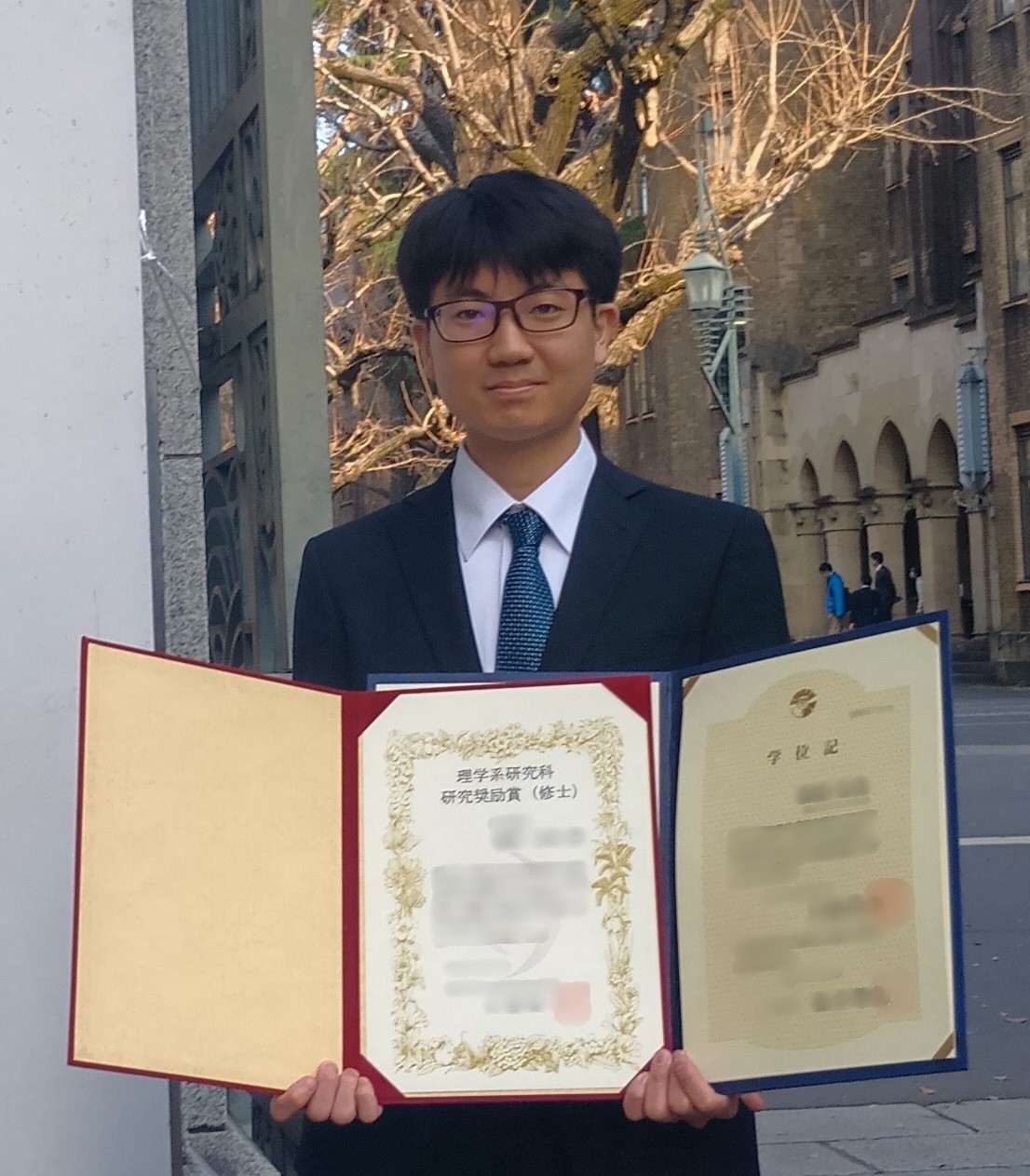
- Yuya Hamasaki
- Catalytic Chemistry D1
Which room from your elementary school do you remember the most? I reminisce the science classroom. Small light bulbs, anatomy figures, star maps, and the large poster of the periodic table are some of my core memories. I can recall myself being very excited to learn and do experiments about various things from physics, biology, astronomy, and of course, chemistry.
My overall interest in science is why I majored in (and why I am doing my PhD research in) chemistry. Chemistry is a field that organically integrates various science, and hence is sometimes called “Central Science.” Atoms and electrons can be expressed using thermodynamics and quantum physics. Biological and astronomical objects can be reduced to arrangements of atoms. Computer science could not have reached today’s level if it were not for nanomaterials like semiconductors. By studying chemistry, I believe you can gain a much deeper insight of natural science as a whole.
Here in the Department of Chemistry, School of Science, The University of Tokyo, you can take various lectures outside of the symbolic organic/inorganic chemistry and chemical reactions. Some of the interdisciplinary courses you can take are quantum chemistry, biomolecular chemistry, geochemistry, and data chemistry. Furthermore, the world leading Professors of these fields accept students, so you can research deeply to your heats desire.
This department also has a very thorough experimental curriculum. In your third year you take three lab courses: “Analytical Chemistry and Inorganic Chemistry,” “Organic Chemistry,” and “Physical Chemistry.” You are each assigned to your own workbench with a fume hood and handed your own flasks, oil baths, etc., so you can learn experimental techniques firsthand. When you start your graduation research in your fourth year, you can further refine your skills in the lab.
The Department of Chemistry is a welcoming place not only for people who are interested in chemistry but also for those who have a general passion for science and those who enjoy experimenting. I look forward to conducting research with you in the future.
(Posted on May 2026)

- Mika Yoshioka
- Geochemistry D1
I have been interested in science since I was a child. I was the kind of kid who got excited just by looking at test tubes and chemicals, and I naturally joined the chemistry club in both junior high and high school, where chemistry became my strongest subject. During my first and second years at university, I also worked part-time as an instructor at a science workshop for children, where I had the opportunity to share the enjoyment of experiments with others. Given this background, choosing to major in chemistry was a very natural decision for me. Looking back, it was a fairly straightforward path.
Among my experiences in the Department of Chemistry, one of the most memorable was the laboratory work in my third year. Being able to verify with my own hands what I had previously learned in lectures was fascinating, and I still remember the moments when I thought, “So this is how it actually works.” I also enjoyed discussing results and working through problems together with other students during the experiments.
The Department of Chemistry offers a wide range of research fields, from those related to life sciences to those closer to physics. Although it is called “chemistry,” it is actually part of the broader field of science and is closely connected to other disciplines such as physics, biology, and earth science. In fact, it is not uncommon for me to think I am doing chemistry, only to realize I am discussing topics from physics or geoscience.
I am currently a member of a geochemistry laboratory, where I study the crystallization of amino acids under high-pressure conditions. Unlike the laboratory classes, research is largely a solitary process that requires continuous trial and error, and there are times when it feels somewhat isolating. However, this also makes it especially rewarding when ideas I have carefully thought through finally take shape, which I find to be one of the most appealing aspects of research.
The Department of Chemistry provides an environment where you can immerse yourself deeply in chemistry while also broadening your perspective across various scientific fields. For those who are interested in science, I believe it is a very exciting place to study.
(Posted on May 2026)
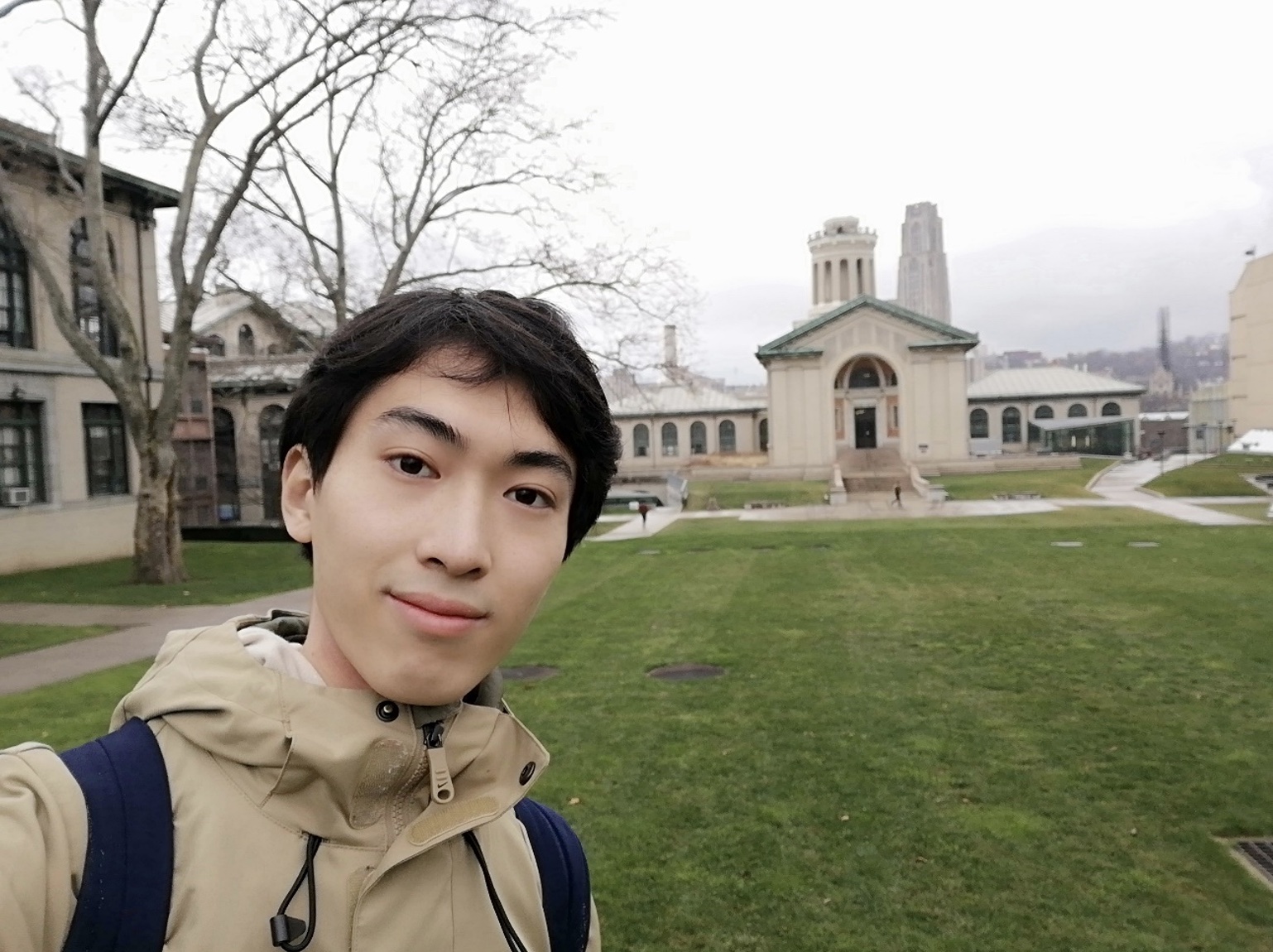
- Shosei Imai
- Biomolecular Chemistry D2
I was drawn to chemistry in junior high school because of the joy of conducting experiments. This interest led me to come to the department of chemistry. The greatest appeal of chemistry is to conduct experiments by hand. We can observe the sample in front of us, and be surprised by the results produced, and think about how to pursue further. Creating new chemistry with your own hands is a unique experience that cannot be achieved elsewhere.
Another appeal of chemistry is its ability to handle the substance, which is the foundation of this world. Therefore, all phenomena are subject to study, and the research can be directly related to our life. Chemistry is not just a world in a flask; it can handle all life and earth phenomena.
The department of chemistry was the perfect fit for me in both respects. In the second and third year, students learn widely from a chemical perspective, acquiring extensive and deep knowledge. The curriculum includes organic, inorganic, and physical chemistry, as well as biochemistry and geochemistry. In addition, students engage in various experimental and analytical techniques through student experiments. This period may not be easy, but it is an exciting and enjoyable time for those who love chemistry.
As a fourth-year student, you will be assigned to a laboratory and work on your graduation research. Regardless of which laboratory you choose, you will have access to excellent facilities, staff, seniors, and peers. This great environment allows you to focus on research.
No matter which you are interested in chemistry or not, I encourage you to consider the chemistry department. Chemistry is a broad subject that encompasses all phenomena, and I believe that you will find research that fits you.
(Posted on May 2023)
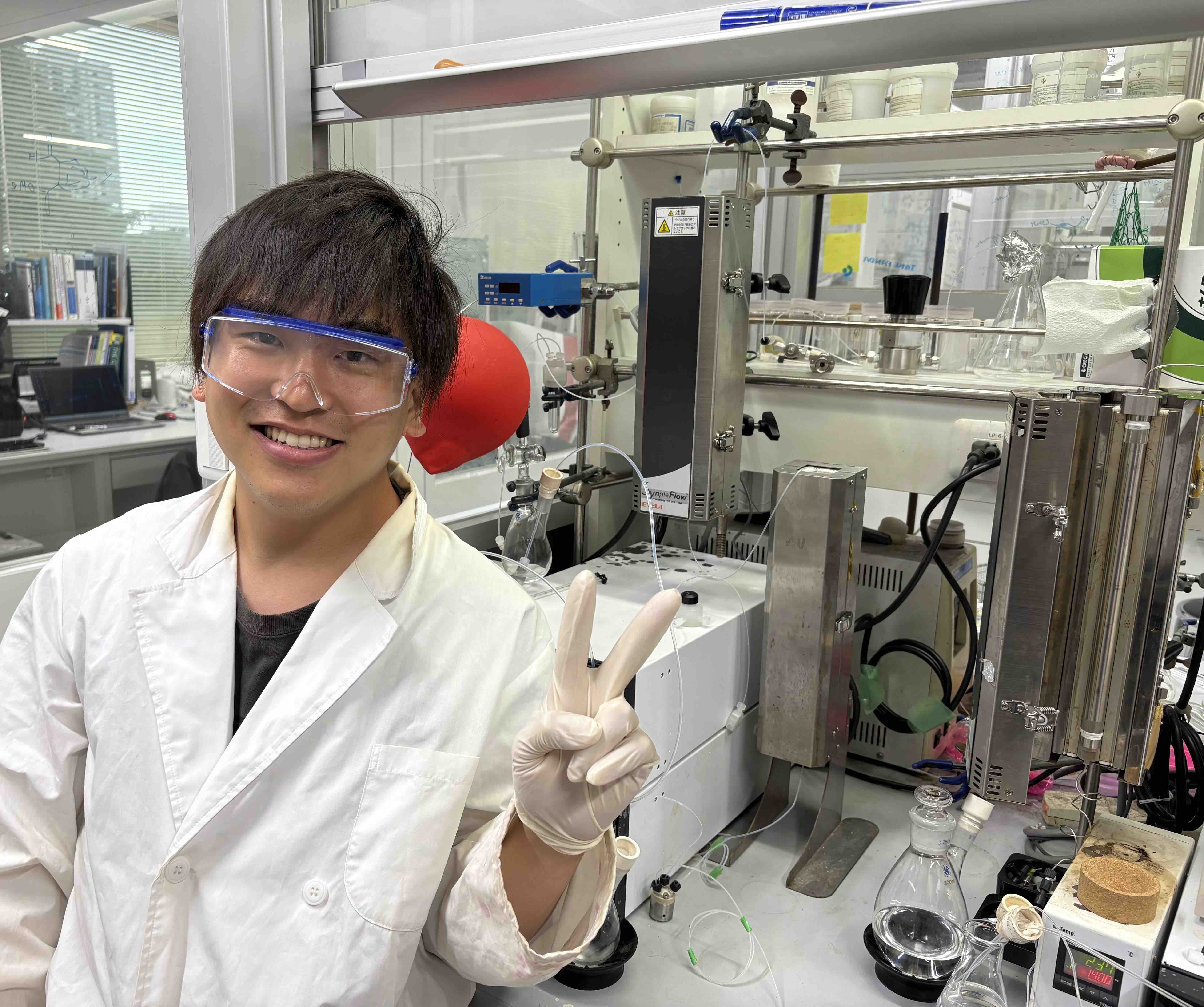
- Takashi Uemura
- Green Material Conversion D2
I have thought that environmental issues such as global warming are problems that our generation has to fix since I was a child. In Komaba, I became interested in tackling these issues from the perspective of chemistry. Although my initial interest was the application of technology, I gradually found myself drawn to the discipline of chemistry itself. Finally, I trusted my intuition and chose to enter the Department of Chemistry. Until then, I thought that the Faculty of Science only focused pure curiosity about natural phenomena, with little concern for practical applications. However, it was actually not right.
For example, in the laboratory I belong to, we study the synthesis of chemical compounds using continuous-flow synthesis technology. Unlike the conventional batch method that uses flasks and other reaction vessels, continuous-flow synthesis involves flowing solutions continuously through a column, which significantly reduces environmental impact. Some members are synthesizing tens of grams of API on a lab scale, while others are working with companies aimed at industrial applications. Although we are in the Faculty of Science, our research is closely connected to practical applications and societal needs.
I also did not expect research to be as enjoyable as it is. When a hypothesis derived from experimental results is proven correct, the sense of excitement is beyond anything I had ever experienced. The Department of Chemistry offers excellent facilities and a well-structured curriculum that allows students to fully engage in research activities. While the environment is certainly tough, it also offers many opportunities for personal growth.
If you ever feel that your daily life lacks excitement and you are looking for new intellectual stimulation, I strongly recommend the Department of Chemistry — it may be the perfect choice for you.
(Posted on July 2025)

- Yosuke Nakashima
- Catalytic Chemistry D2
I entered the Department of Chemistry in the Faculty of Science from Natural Sciences I, and have belonged to the Catalytic Chemistry Laboratory since I was a fourth-year student in the undergraduate program. My current research aims to elucidate the properties of metal nanoclusters protected by organic ligands with the aid of gas-phase photoelectron spectroscopy. Based on my experience, I will show you the appealing points of our department.
When I took lectures on material chemistry and organic chemistry as a junior division student, I just found it interesting that chemistry enables us to fundamentally understand chemical phenomena shown by substances around us, starting from the atomic or molecular levels. I remember that I decided to enter the Department of Chemistry only because of such a vague interest at that time. On the other hand, my campus life in the department was immersed in an environment full of chemistry, which was very exciting for me. The lectures provided by our department focus on a variety of disciplines, and some of them introduce up-to-date insights in the respective fields. For example, the lecture named “Chemical Reactions” in charge of my supervisor aims to thoroughly understand the mechanisms of chemical reactions, which play crucial roles in chemistry. Because I was not familiar with the theoretical frameworks of physical chemistry at first, such lectures on physical chemistry strongly attracted me. The group of the lectures provided by our department not only largely broadened my perspective on chemistry but also supplied me with detailed pictures of chemistry research.
I suppose that the curriculum of our department is strongly characterized by the lectures offered in English and the experiment courses. Regarding the former, I was able to understand the lectures in English with almost no trouble thanks to the lecturer’s care. Regarding the latter, it was hard for me to finish all the experimental procedures in the courses and the report assignments. On the other hand, such a hard time allowed me to make friends with my classmates soon, some of whom are still in contact with me. Now this experience is one of my good memories as an undergraduate student.
We thus obtained English skills and experimental techniques, which was revealed to be extremely useful as a technical base in laboratories assigned as a 4th-year student. Academic expressions in English I had learned in the lectures helped me to go through papers written in English and make presentations in English in laboratory seminars. Through the experiment courses, I had already obtained experimental techniques enough to start my own research without a blank. In that sense, I feel that the curriculum of our department enables the students to smoothly switch to work at the laboratories.
In short, you can be familiar with a wide range of topics in chemistry and improve your techniques for research activities. After being assigned to laboratories, you will also experience world-leading research activities in a rich physical and human environment. If you are interested in chemistry even a little or inquisitive about science, we hope that you consider applying to the Department of Chemistry.
(Posted on July 2025)
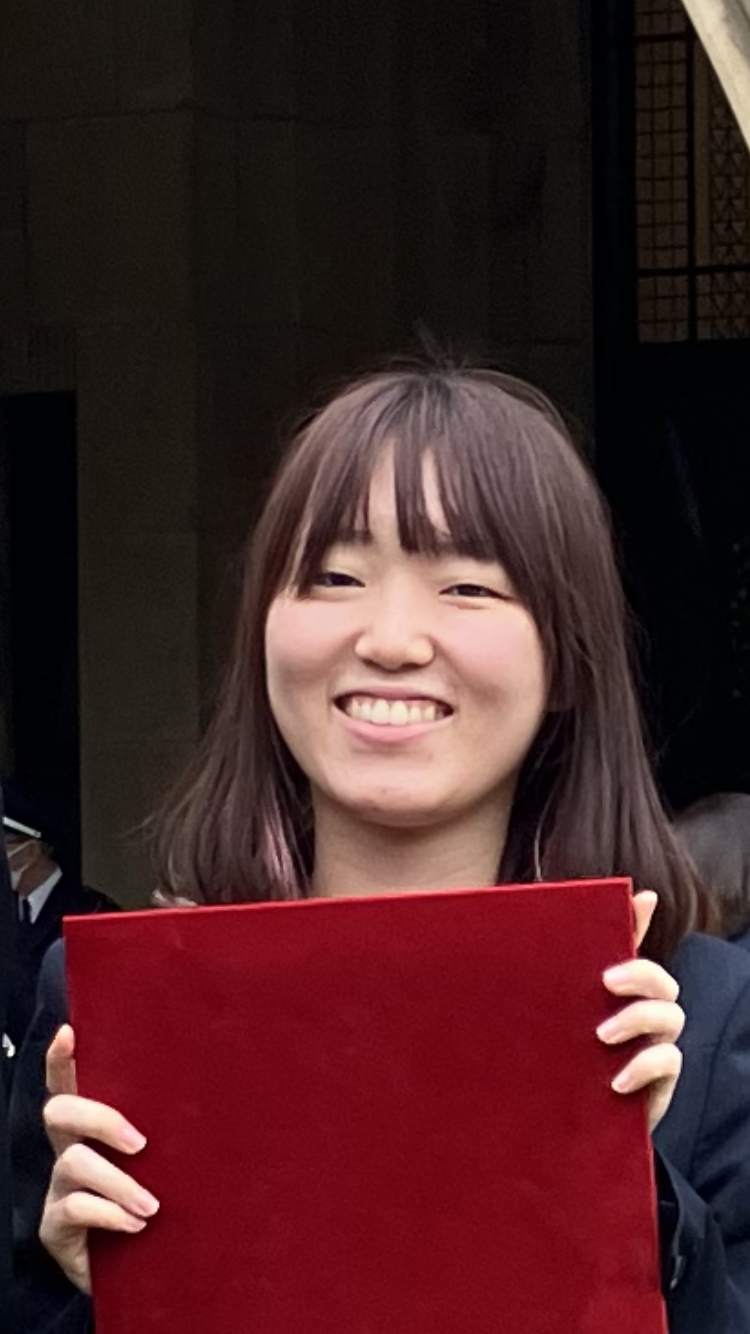
- Ekishin Yanagi
- Bioorganic Chemistry D2
I joined my current laboratory because I wanted to contribute to the drug discovery industry from the field of chemistry. I originally had a great interest in chemistry, but as I took classes in my freshman year of college, I also became interested in the mechanisms of life.
I think that one of the most attractive features of the Department of Chemistry in the Faculty of Science is its curriculum. First, we learn basic chemistry in our second year. In the third year, students can acquire the basics of chemical experiments through student experiments. In the fourth year, there are almost no classes, so we can concentrate on our graduation research. Through such a curriculum, we can face chemistry with a solid foundation.
I think the good environment is another attraction of the Department of Chemistry. During the summer vacation of my junior year, I wanted to do an internship in the current laboratory and contacted the professor, who gladly accepted me. Besides, if you are accepted to the GSC (Global Science Course), you can study abroad for a month during your fourth grade. In this way, if you were proactive, others around you would respond to you, and you will be able to gain valuable experience.
For those who do not have a clear vision of their future yet, I think that it will be a big decision to decide your major. If you have even a little interest in chemistry, please consider the Department of Chemistry in the Faculty of Science. I am sure that you will find what you want to do, and that you can realize it in wonderful surroundings.
(Posted on May 2023)

- Asahi Kanno
- Natural Products Chemistry D3
I was a sophomore in the undergraduate program, aspiring to create things using the power of chemistry and biology. Initially, I also considered entering the engineering department. However, advice from a certain professor became the turning point in my life. The words I received from that professor were, "Starting your career in the central realm of science will benefit your life as a researcher."
Following those words, I decided to enroll in the Department of Chemistry in the Faculty of Science (RIBAKE), and now I realize that choice was the right one. Starting from a state of knowing nothing, I have gradually developed the ability to pursue interests, refine knowledge and thinking, and tackle problem-solving.
RIBAKE provides all the necessary elements for learning and research, including the ecosystem where the department is part of, exemplified by the over 1,900 seminars held. These seminars offer abundant opportunities to learn about different perspectives and communication styles through discussions among invited speakers and RIBAKE professors.
In the Natural Products Chemistry (Oguri) Laboratory, where I belong, we conduct experiments every day to synthesize useful molecules inspired by complex organic compounds derived from nature. Despite being overwhelmed by the mysteries of nature, I believe that creating new molecules through artificial approaches is a worthwhile challenge that requires dedicating several years of youth. Moreover, I trust that beyond drug discovery, this challenge extends to addressing issues related to functional materials, energy, and the environment.
Learning at RIBAKE deepens through hands-on activities and collaborative thinking with peers. I look forward to increasing the number of companions with whom I can work and exchange ideas at RIBAKE.
(Posted on May 2024)
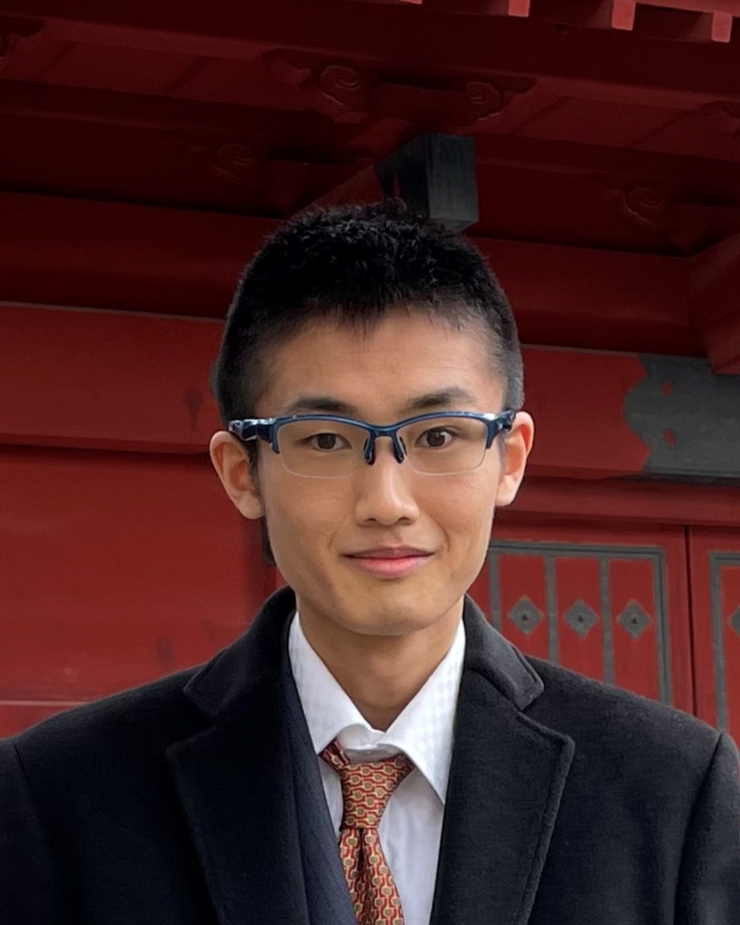
- Ryuji Nakao
- Structural Chemistry D3
The Department of Chemistry is waiting for you with wonderful opportunities and environments.
No matter which department you go on to, you will be expected to join a laboratory by your 4th year. Perhaps you will have no idea what you want to do or what your daily research life will be like until you actually experience it. At the Department of Chemistry, however, you can explore your interests through various lectures and student experiments that cover a wide range of chemistry and will have a chance to experience each laboratory through internships and other opportunities, so I’m sure that you will find a laboratory that best fits your interests.
The department offers most lectures in English and most students need to make some efforts on reading English textbooks. But through the experience, they come to acquire academic English. In addition, the Global Science Course provides the opportunity to study for two months in a foreign laboratory with financial support. I applied for this program by chance and stayed at the University of North Carolina at Chapel Hill for two months. It was a very valuable experience for me to recognize firsthand not only the diversity of foreign students' ways of thinking but also foreign lifestyles different from that in Japan.
Furthermore, the Department of Chemistry holds an annual inter-laboratory softball and soccer tournament, which is a great opportunity for friendly exchanges and a good change of pace.
In this way, I believe that you will have more exciting experiences once you enroll in the Department of Chemistry than you would initially have imagine. I’m looking forward to you joining the Department of Chemistry.
(Posted on May 2022)